Finding low cost jobs for wheelchair users seeking accessibility can feel like screaming into a void. You send out applications and scroll job boards for hours while half the listings never mention if the building even has a ramp. I’ve been there. The frustration is real. So is the financial pressure of needing income without buying expensive certifications or gear you can’t afford. Good options do exist though. Some are hiding in plain sight.
1. Freelance Writing and Content Creation
Starting a freelance writing career costs almost nothing. You just need a laptop and a free account on a platform like Upwork or Fiverr to get through the door. Accessibility is built right in because you work from wherever you are comfortable.
Also Read: Affordable Jobs for Single Parents on Tight Budgets 2026
The demand makes this a realistic path. Small businesses constantly need blog posts. They need product descriptions and social media captions too. You don’t need a journalism degree to write them. I started by writing twenty-five dollar articles for local businesses I found in Facebook groups. Within three months I had steady repeat clients. Getting started is pretty simple.
2. Virtual Customer Service Representative
Companies like Liveworld and Amazon hire remote customer service agents while keeping startup costs low. You typically need a computer and a headset. Finding a quiet room helps too.
These roles suit wheelchair users seeking accessibility because the entire job happens at your desk. Most companies provide the training for free. Some will even supply the software you need. Pay usually ranges from twelve to twenty dollars per hour depending on the company. I know two people personally who started this way and moved into team lead positions within a single year. Scheduling flexibility is a huge bonus.
3. Online Tutoring
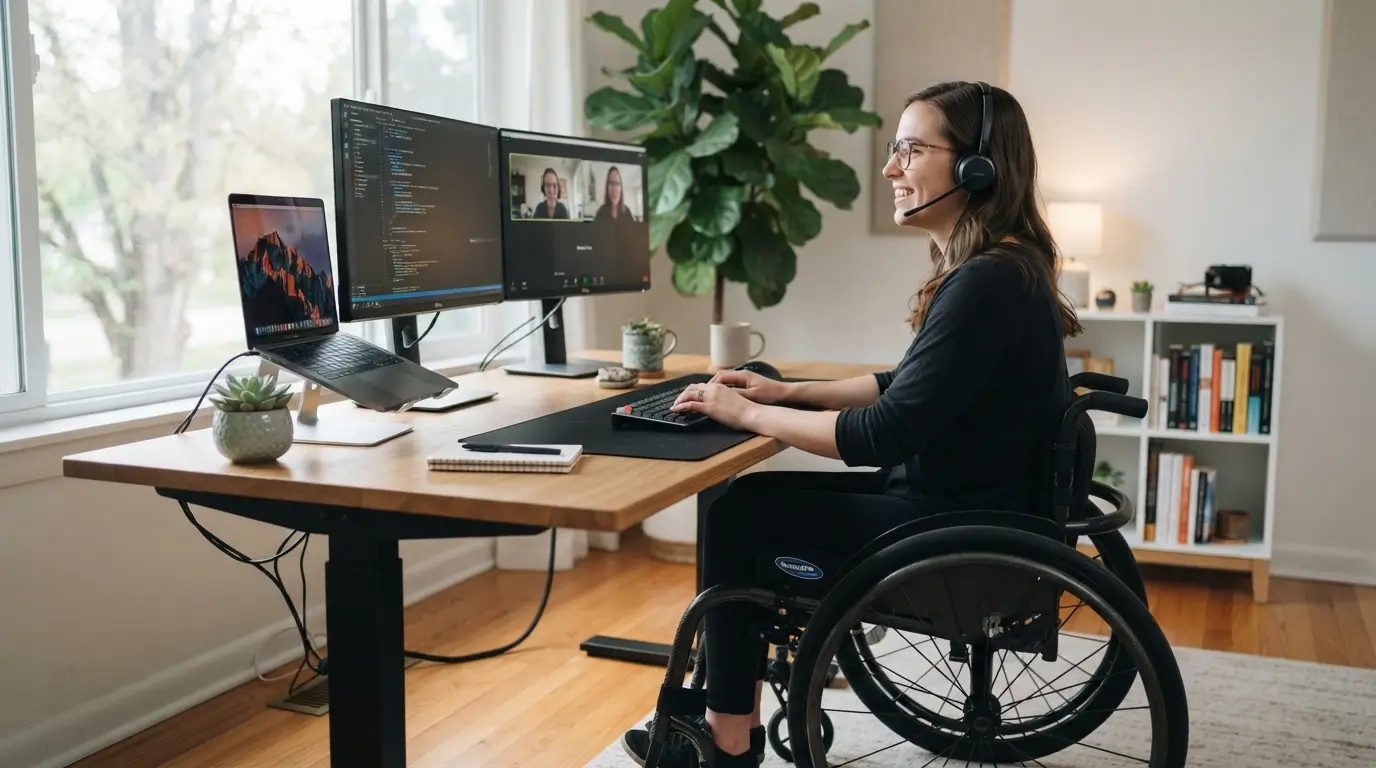
If you have a solid grasp of a subject like math or English, online tutoring platforms let you teach from home. Sites like Tutor.com and Wyzant handle the student matching for you. Signing up is free on most of them.
Tutoring pays surprisingly well. Rates on Wyzant start around twenty dollars an hour. Experienced tutors often charge fifty or more. You set your own hours and pick your subjects. You never have to worry about physical workspace accessibility. A friend of mine tutors high school algebra four evenings a week and pulls in over twelve hundred dollars a month. There’s no commute and no office politics involved.
4. Social Media Management
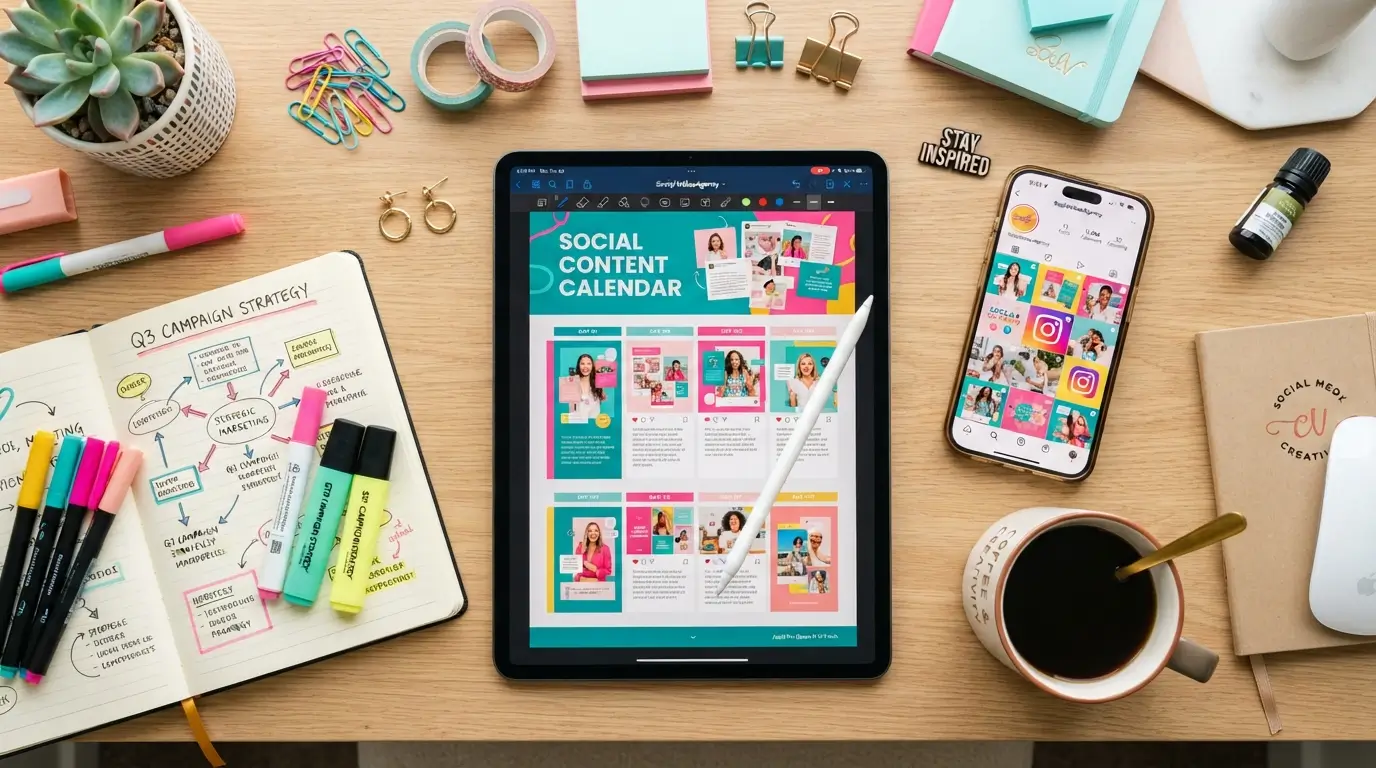
Small businesses desperately need help managing their Instagram and Facebook pages. TikTok is another struggle for them. Most owners hate doing this work themselves. You can learn the basics through free courses on HubSpot Academy or Google Digital Garage. Then you pitch local businesses directly.
The startup cost is basically zero. You probably already use social media. Now you just do it strategically for someone else. Clients will pay three hundred to a thousand dollars per month for this service. I managed two accounts at once and used Canva’s free plan for all the graphics. The work is fully remote and completely accessible. It scales as fast as you want it to.
5. Transcription and Captioning Work
Transcription is one of the most overlooked low cost jobs for wheelchair users seeking accessibility. Platforms like Rev and TranscribeMe let you sign up and pass a short test. You can start earning money the same week. You just need decent typing speed and good ears.
Also Read: Quick Jobs for Night Shift Workers Wanting Income 2026
Pay starts modest at around thirty cents to a dollar ten per audio minute. Experienced transcribers working on specialized legal or medical files earn significantly more. The flexibility is unmatched. You pick the files and work at your own pace. You submit the work when you are done. There’s no uniform to buy and no inaccessible break rooms to deal with.
6. Selling Digital Products on Etsy
Etsy isn’t just for handmade candles. Digital products like printable planners and resume templates sell consistently with zero shipping hassle. Budget spreadsheets are another hot item. You create the product once and sell it repeatedly.
Opening an Etsy shop costs twenty cents per listing. That is the only fee to start. I made my first digital planner using Canva and listed it for four dollars and ninety-nine cents. I sold forty copies in the first month without running a single paid ad. The entire business runs from my laptop. For wheelchair users who want genuinely accessible self-employment without inventory or delivery logistics, this is a very strong starting point.

7. Data Entry and Virtual Assistant Work
Data entry remains one of the simplest remote jobs to break into. Companies post these roles on FlexJobs and Indeed regularly. Virtual assistant work is a step up from that. It involves managing emails and doing light research for busy professionals. You might handle scheduling too.
You don’t need certifications for either path. Basic computer literacy and reliability will get you hired. VA rates typically range from fifteen to thirty dollars an hour. Many clients prefer ongoing contracts. I spent a few evenings browsing r/forhire on Reddit and landed my first VA gig within two weeks. The work is straightforward and completely location independent.
8. Graphic Design Using Free Tools
You don’t need Adobe Creative Suite or a design degree to start earning as a graphic designer. Canva Pro costs thirteen dollars a month. The free version handles most beginner projects just fine. Logos are always in demand. People also need social media graphics and presentation decks.
Post your services on Fiverr or reach out to startups on LinkedIn. Small businesses routinely pay fifty to two hundred dollars for a simple logo package. I taught myself Canva in about a week and started taking orders immediately. The learning curve is gentle. The work is creative. The entire operation happens on your screen, making physical accessibility a non-issue.
9. Bookkeeping for Small Businesses
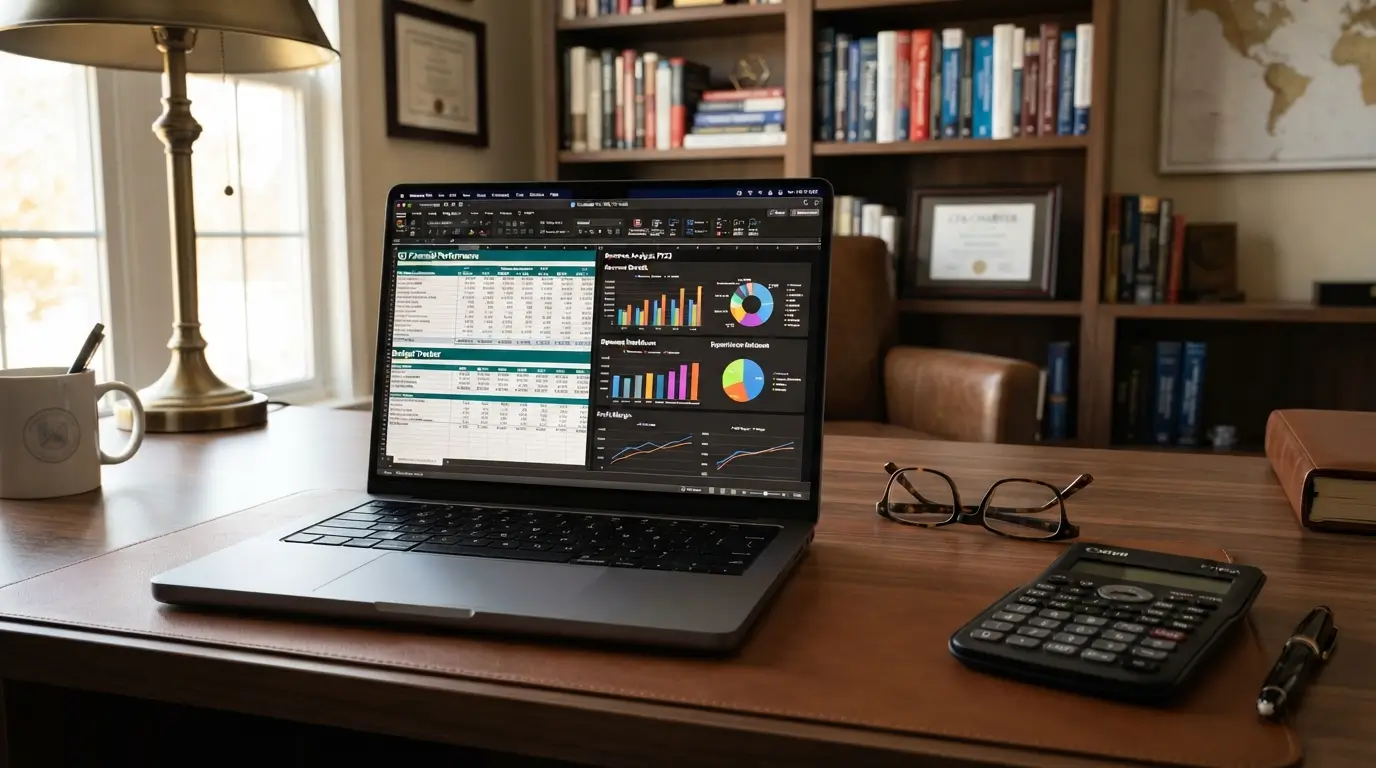
This one surprised me. Remote bookkeeping requires minimal upfront investment if you already know basic accounting. Tools like Wave are free to use. QuickBooks Online is another option that lets you manage client finances from anywhere.
If you lack bookkeeping experience, courses on Coursera and Udemy cost under twenty dollars. They cover everything you need to start. Small business owners gladly pay three hundred to eight hundred dollars a month for someone to handle their invoices and expenses.
They will happily pay for reconciliations too. The demand is enormous because most owners would rather do literally anything else. This field has serious long-term income potential.
10. Accessible Retail and Call Center Positions
Not every option has to be remote. Many brick-and-mortar retailers like Target and Walmart have actively improved their workplace accessibility. Best Buy has made changes too. Call centers operated by companies like TTEC and Concentrix offer both in-office and at-home roles. They build accessibility accommodations right into their hiring process.
The key is asking the right questions during the application. Ask specifically about wheelchair-accessible workstations and restroom access. Ask about parking as well. Under the ADA, employers must provide reasonable accommodations. Don’t shy away from in-person work if you prefer it. Just know your rights and advocate for yourself from the very first conversation.
How to Evaluate Whether a Job Is Truly Accessible
Run through a quick mental checklist before committing to any role. For remote jobs, confirm that training and onboarding happen online. Make sure no in-person meetings are required without accessible alternatives. For on-site positions, ask about door widths and elevator access. You should also ask about adjustable desks and accessible restrooms.
Also Read: Easy Jobs for Beginners With No Prior Experience 2026
Read reviews on Glassdoor from employees who mention disability accommodations. Try reaching out to current or former workers on LinkedIn. I once avoided a remote job that required monthly in-person meetings at a third-floor office with no elevator. I only found out because I asked upfront. Five minutes of asking can save you weeks of frustration.
Low Cost Jobs for Wheelchair Users Seeking Accessibility: What to Prioritize
Weigh a few factors when you evaluate your options. Actual startup costs matter most. If a job requires you to buy five hundred dollars in equipment or pay for a two thousand dollar certification before earning a dime, it isn’t truly low cost. Flexibility is the next factor. Chronic pain flare-ups and medical appointments will happen. Energy management matters too. Jobs that let you set your own schedule accommodate real life much better.
You should also look at growth potential. A job that pays ten dollars an hour with no room to grow is a dead end. The best accessible jobs combine these factors. They cost little to start and respect your time. They also open doors to higher earnings as your skills develop.
Frequently Asked Questions
What are the easiest remote jobs for wheelchair users to start quickly?
Freelance writing and data entry have the lowest barriers. Transcription is another great option. You can sign up on platforms like Upwork or Rev the same day. Most people start taking assignments within a week. No certifications are needed and no expensive tools are required. You just need a computer and internet access. A willingness to put in consistent effort helps too.
Do employers have to provide wheelchair accommodations for on-site jobs?
Yes. Under the Americans with Disabilities Act, employers with fifteen or more employees must provide reasonable accommodations. This includes accessible workstations and ramps. Elevators and restroom access fall under this requirement as well. You can file a complaint with the EEOC if an employer refuses. Always ask about accommodations during the interview process. Getting expectations clear before your first day saves everyone trouble.
Are there low cost jobs for wheelchair users seeking accessibility that pay well long-term?
Yes. Bookkeeping and virtual assistant work both start with minimal investment and scale significantly. Social media management does too. Experienced bookkeepers charge eight hundred dollars or more per month per client. Senior VAs earn thirty to fifty dollars an hour. The key is building skills and client relationships over time. Chasing quick payouts will not get you there.
How do I know if a “remote” job is actually fully remote?
Read the full job description carefully. Ask direct questions during the interview. Some companies label roles as remote but require occasional office visits. They might expect you to attend training sessions or team retreats. Ask specifically whether any part of the role involves in-person attendance. Find out if accessible alternatives exist for those situations. Getting this in writing protects you later.
Can I start freelancing with no prior experience?
You can. Most freelancing platforms welcome beginners. Start with lower rates to build a portfolio and collect reviews. You can raise your prices as demand for your work grows. Free resources on YouTube give you enough foundational knowledge to deliver quality work right away. HubSpot Academy and Google Digital Garage are helpful too.
Conclusion
The right job is out there. It doesn’t have to drain your savings before you earn your first paycheck. You might go the freelance route or land a remote position with an established company. Accessible work that respects your needs and your budget absolutely exists. Which of these options are you most interested in trying first?
