When I hung up my uniform for the last time, I felt a weird mix of relief and panic. Finding easy jobs for veterans transitioning to civilian life sounds simple on paper. Then you actually sit at a kitchen table, stare at a blank resume, and wonder how to translate “led a 40-person platoon through complex operations” into something a hiring manager on Indeed cares about. That uncertainty is brutal. The opportunities waiting on the other side are genuinely good though. A lot of them are easier to land than you might think.
1. Federal Government Positions
Veterans get hiring preference for most federal jobs. That is not just a polite gesture or corporate PR. It is actual law. The Veterans’ Preference Act gives you real point advantages on competitive exams and federal applications through USAJobs.gov.
Also Read: Easy Jobs for Beginners With No Prior Experience 2026
Positions like administrative assistants line up perfectly with skills you already have. Logistics coordinators and IT support specialists fit the bill too. GS pay scales are completely transparent. The benefits are solid. The work culture often feels closer to military structure than any private sector gig ever will. I applied to three federal jobs within my first month out. The process was far more veteran-friendly than I expected.
2. Truck Driving and CDL Careers
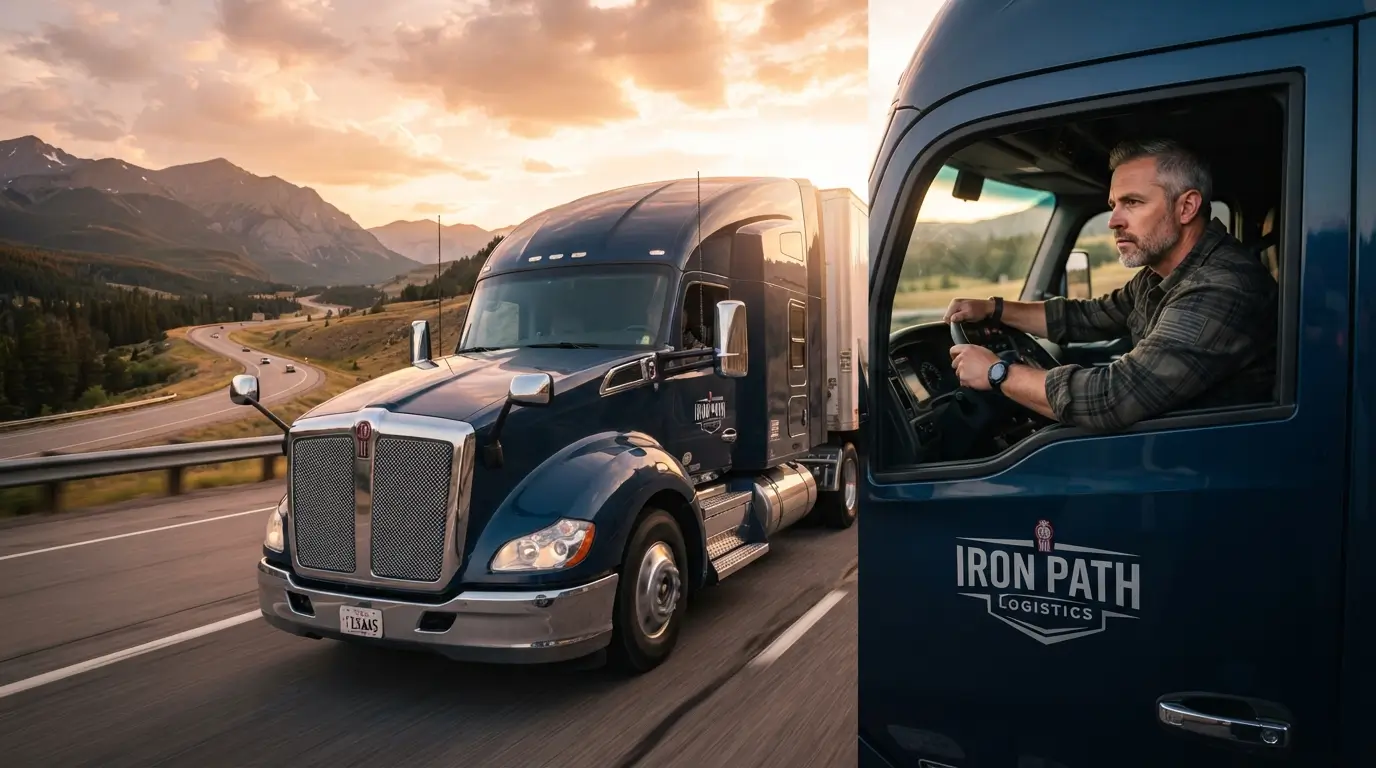
Plenty of veterans drove heavy vehicles during their service. Getting a Commercial Driver’s License translates that experience into a six-figure career faster than almost anything else. Companies like Werner and Schneider actively recruit from the military. USAA-partnered carriers do the same. Some of them even cover your CDL training costs entirely.
Solo long-haul routes pay well but keep you on the road for weeks. Local delivery routes get you home every night. The demand for CDL drivers remains incredibly high right now. Turnover in the industry means companies bend over backward to keep good drivers. If you had a military license for anything bigger than a Humvee, you are already ahead of the curve.
3. Security and Law Enforcement
This career path practically sells itself. You spent years building discipline and situational awareness. Threat assessment is second nature to you now. Private security firms like Allied Universal and Securitas hire veterans constantly. The barrier to entry is low for most of these positions.
If you want to take it further, federal agencies like the TSA or U.S. Marshals give veterans significant preference. Customs and Border Protection does the same. Many police departments fast-track veteran applicants through the academy. A buddy of mine went straight from infantry to a federal protective officer role in under four months. The pay jump was real.
4. Project Management
Your military leadership experience quietly becomes gold here. You have managed people. You have managed budgets and timelines. You handled logistics under pressure most civilians cannot even imagine. That is project management in a nutshell.
A PMP certification through the Project Management Institute costs around $555 for the exam. The return on investment is massive. PMPs earn a median salary above $115,000 annually. Companies across healthcare and construction desperately need project managers. IT and manufacturing firms need them just as bad. Your military experience often counts toward the required hours for this certification. You are not starting from zero. Programs like Syracuse University’s IVMF offer free business courses for veterans that prep you for this exact path.
5. IT and Cybersecurity
The military pumps out people with security clearances and technical aptitude. Those are two things the tech industry cannot get enough of right now. If you held any MOS related to communications or signals, you are sitting on a resume goldmine. Intelligence roles count here too.
CompTIA Security+ is one of the most in-demand entry-level cybersecurity certifications out there. The DoD already recognizes it. Employers like Booz Allen Hamilton specifically target veterans with clearances. Leidos and ManTech are also constantly hiring. An active security clearance alone can add $10,000 to $20,000 to your starting salary. Programs like VetsinTech and Microsoft’s MSSA provide free training and direct pipelines into these tech roles.

Easy Jobs for Veterans Transitioning to Civilian Life in the Trades
Skilled trades deserve their own spotlight. They are criminally underrated during the transition process. Electricians and HVAC technicians are in massive demand across every single state. Plumbers and welders are right there with them. If you worked on equipment or infrastructure during your service, you already understand the fundamentals.
Apprenticeship programs through Helmets to Hardhats connect veterans directly with union trade programs. Many of these cover training costs entirely. The average HVAC technician earns around $50,000 to $60,000 within a few years. Master electricians often clear $80,000 or more. You work with your hands and solve tangible problems. You never have to sit in a cubicle wondering what you actually accomplished that day.
7. Healthcare Support Roles
Combat medics and corpsmen can transition into civilian healthcare faster than most people realize. Anyone with military medical training has a huge head start here. EMT certification is often achievable within weeks because your military training counts toward the requirements in many states.
Beyond EMT work, you have other options. Medical assistant roles offer stable schedules and decent pay without requiring a four-year degree. Phlebotomist and patient care technician positions do the same. The VA itself hires thousands of veterans into healthcare support positions every single year. If you have a steady hand and genuine patience with people, this field will always have a spot for you.
8. Real Estate
Nobody talks about this one enough. Getting a real estate license takes roughly 60 to 90 hours of coursework depending on your state. The exam is not particularly difficult. Veterans often thrive in real estate because the job rewards discipline and hustle. Networking is a big part of it. Those are things you already do well.
Your understanding of VA home loans gives you an automatic edge. Veteran buyers want an agent who actually gets the process. Brokerages like Keller Williams and RE/MAX actively recruit veterans for this exact reason. Income is commission-based, which scares some people off. The earning ceiling is genuinely unlimited though. I know two former NCOs pulling in over $100K their second year in the business.
9. Sales and Account Management
Military veterans close deals. I am not even exaggerating about that. The communication skills you learned in the service translate directly into high-performing sales careers. Your persistence and ability to handle rejection play a huge role too.
Also Read: Low Cost Jobs For Wheelchair Users Seeking Accessibility 2026
Companies like Oracle and Amazon have veteran hiring programs. Salesforce has one as well. These programs funnel you into business development and account executive roles. Salesforce’s Vetforce program is free and teaches you their platform from the ground up. B2B sales roles often come with base salaries between $50,000 and $70,000 plus commission. Top performers double that within a year. You have already pitched ideas to commanders who did not want to hear them. Pitching to a VP of operations is honestly easier.

10. Entrepreneurship and Small Business Ownership
The SBA’s Office of Veterans Business Development exists specifically to help you start your own thing. Veteran-owned businesses get preferential treatment for government contracts. Programs like Boots to Business teach you the fundamentals of launching a company. It is offered through the SBA and DOD’s TAP program.
Also Read: Low Cost Jobs for Caregivers With Limited Free Time 2026
Franchises like JDog Junk Removal actively seek veteran franchisees. Meineke does the same thing. They sometimes waive franchise fees entirely. The biggest advantage veterans have as entrepreneurs is tolerance for uncertainty. Long hours would burn out most civilians. You are built differently. If you have ever thought about being your own boss, the resources available to you right now are staggering. Use them.
How to Actually Land These Jobs
Knowing the options is only half the battle. You need a real strategy to make it happen. Start by building a civilian resume that strips out military jargon. Focus on measurable results instead. “Managed a $2.3M equipment inventory with zero losses” hits much harder than “responsible for supply chain management.”
Use Veteran-Specific Job Platforms
Sites like HireVeterans.com connect you with employers who genuinely want to hire you. RecruitMilitary does the exact same thing. LinkedIn has a veteran job portal worth checking out too. These companies want you for your skills, not just to check a diversity box. USAA’s career resources are also surprisingly robust.
Tap Into Your Network
Every veteran transition counselor says this. They are right. Your military network is absolutely enormous. Reach out to people who have already made the jump. They will tell you which companies actually treat veterans well. They will also tell you which ones just slap a flag on their careers page and call it a day.
Frequently Asked Questions
What are the best easy jobs for veterans with no degree?
Truck driving and security work both pay well without requiring a bachelor’s degree. Skilled trades and IT support roles are great options too. Many of these fields value certifications and hands-on experience over formal education. Programs like Helmets to Hardhats and VetsinTech offer free training that gets you job-ready fast.
Do veterans get hired faster than civilians?
For federal jobs, yes. Veterans’ Preference gives you a measurable advantage that civilians simply do not get. In the private sector, many large companies have veteran hiring initiatives that prioritize military candidates. Having an active security clearance also speeds things up considerably in defense and tech industries.
What certifications should veterans get first?
CompTIA Security+ is excellent if you want an IT career. PMP certification opens doors in project management. A CDL license pays off quickly in trucking. Your best bet depends on your military background and what actually interests you. Most veteran transition programs help you figure out the right certification path based on your specific service history.
Can veterans get free job training after leaving the military?
Yes. There is more available than most people realize. The GI Bill covers traditional education. Programs like Microsoft’s MSSA and Salesforce Vetforce offer completely free professional training though. The SBA’s Boots to Business is another great free option. Many trade unions also waive costs for veteran apprentices through Helmets to Hardhats.
How long does the transition to civilian work usually take?
Most veterans I know landed their first solid civilian job within two to six months. It really depends on how early they started planning. Starting your job search 90 days before separation makes a huge difference. Using TAP resources and veteran hiring events shortens the timeline significantly.
Is it worth staying near a military base for job opportunities?
Often, yes. Defense contractors and federal agencies cluster around military installations. Veteran-friendly businesses do the same. Areas like Northern Virginia and San Diego have robust job markets. Colorado Springs and San Antonio are also great spots that specifically value military experience.
Conclusion
The transition out of the military feels overwhelming at times. You are carrying more marketable skills than you probably give yourself credit for though. Pick one or two paths that genuinely interest you. Get the right certifications for those paths. Then lean hard into the veteran resources that exist specifically to help you succeed. What career path are you leaning toward right now?
