
When you rely on one paycheck to cover everything, that money carries a ton of weight. I know the feeling. My salary was the only income we had for three years while my partner stayed home with our kids. Being just one layoff away from disaster kept me awake more nights than I care to admit. That stress forced me to figure out which careers actually survive when a family depends entirely on them. This guide explores Foolproof jobs for single income households seeking stability and what makes these careers more dependable over the long term.
1. Registered Nurse
Healthcare keeps moving no matter what the economy does. Registered nurses stay employed through the worst recessions. The Bureau of Labor Statistics projects 6% job growth through 2032. A median salary around $86,000 a year is enough to support a family in most parts of the country.
Also Read: Easy Jobs for Veterans Transitioning to Civilian Life 2026
A friend of mine chose this path specifically for the schedule. She works three 12-hour shifts a week and gets four full days at home with her kids. If you are open to moving temporarily, travel nursing can push your earnings past $100K. You can get started at a local community college without paying for a four-year university.

2. Electrician or Plumber
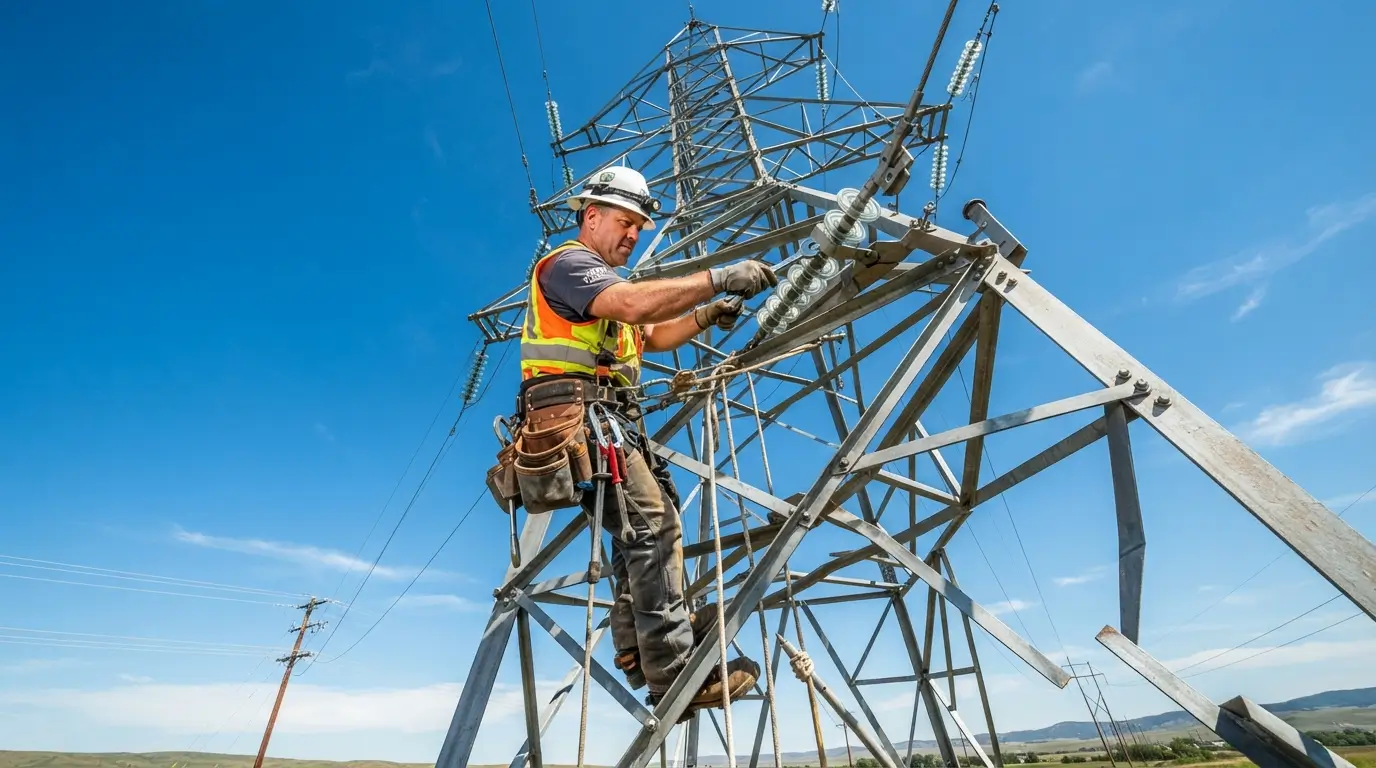
Skilled trades get a lot of attention lately. They have earned it. Electricians bring in a median salary around $61,000. Experienced journeymen in busy markets clear $80K or more. Plumbers make about the same. Many regions offer these workers union benefits, meaning you get reliable health insurance and a real retirement plan.
Job security is the main draw here. New construction and renovation projects cannot happen without these workers. You start with a paid apprenticeship. You earn money while you learn the trade instead of taking out massive student loans. My cousin got his electrician license at 24 and bought a house at 27 on his single income. Try pulling that off with an entry-level office job.
3. IT Support Specialist
A computer science degree is not required for IT support. Passing the CompTIA A+ exam takes a couple of months and costs a few hundred dollars. That alone can get you a help desk job paying between $45,000 and $55,000. Stick with the field for three to five years and you can move into systems administration or network engineering, where salaries jump past $75,000.
Hospitals and schools and government agencies all need people to keep their technology working. That built-in demand creates real stability. Remote positions are becoming the norm. Working from home cuts your commuting costs and reduces what you pay for childcare. I used to work with an IT guy who supported a family of four in suburban Ohio on his salary alone. He started with zero tech background.

4. Government or Federal Employee
Government work might sound boring. It does offer one thing the private sector usually cannot. Predictability. Federal employees receive step-based raises and generous health insurance through FEHB. They get a pension via FERS and access to the Thrift Savings Plan. That plan functions like the best 401(k) available anywhere.
Also Read: Top Rated Jobs for Retirees Seeking Part Time Hours 2026
The GS pay scale lets you see exactly where your income will be in five years. Layoffs happen far less often than in corporate America. You can find roles ranging from administrative work to project management. USAJobs.gov lists thousands of open positions at any given moment. My neighbor has worked at the VA for 14 years and has never once stressed about layoffs. When you are the sole provider, that peace of mind matters more than an impressive job title.
5. CDL Truck Driver
The trucking industry has a severe driver shortage. The American Trucking Associations estimates the country needs over 80,000 new drivers right now. New drivers with a CDL earn between $50,000 and $65,000. Experienced long-haul drivers regularly top $80,000. Hauling specialized freight like hazardous materials can push you into six figures.
Training for your Commercial Driver’s License takes three to eight weeks. Some carriers will cover your tuition if you agree to work for them for a set period. Local and regional routes let you sleep in your own bed most nights. That makes a huge difference when your family needs you around. The work is physically tiring. The barrier to entry is just low enough to make it highly appealing, and the paychecks are real.

Foolproof Jobs for Single Income Households Seeking Stability in Healthcare Administration
Healthcare administration is a less physical way into a very stable industry. Medical billing and coding specialists usually start around $45,000. Health information managers with a bachelor’s degree can earn between $60,000 and $100,000 depending on where they work. Hospitals and insurance companies constantly hire for these positions.
I like the room for growth here. You might start as a medical coder working from your living room. From there you can earn certifications through AAPC or AHIMA and slowly move up into management. A friend went from working the front desk to managing the billing department in five years at the same hospital. She now supports her daughter completely on her own. The work requires close attention to detail but anyone can learn it. Remote options in this field grow every single year.
6. Public School Teacher (With Strategic Certification)
People complain that teachers are underpaid. In some states that is true. In others, the pay is surprisingly good. Experienced teachers in New York and California make between $70,000 and $90,000. Add in a pension, summers off with your kids, and good health benefits. The total package looks really strong.
You have to pick a high-demand certification area. Districts across the country need special education teachers. They also need math and science teachers. Some schools even offer signing bonuses and student loan forgiveness through PSLF. The wife of a former colleague teaches special education in New Jersey. She makes $78,000 with full benefits after eight years on the job. Her family thrives on that single income.
7. Dental Hygienist
The latest BLS data puts the median dental hygienist salary at $87,530. Most of them work just four days a week. You only need an associate degree to get licensed. That takes two or three years. Compare that return on investment to what you get from a four-year bachelor’s degree. It makes a lot of sense.
You will find dental offices in every small town and big city. People still get their teeth cleaned when the stock market drops. The predictable schedule is a major perk for single income families. You can arrange childcare around the same set hours every week. My own dental hygienist picked this career because she wanted financial independence without giving up her evenings with her kids. She has stayed at the same practice for nine years.
8. Warehouse and Logistics Supervisor
Companies like Amazon and Walmart run massive shipping networks that require supervisors. Warehouse associates start at $18 to $22 per hour. Move up to a supervisor role and you will make $55,000 to $75,000 with benefits. Operations managers at the biggest fulfillment centers earn over $90,000.
You do not need a degree to move up here. These companies prefer promoting from within. Amazon even pays for college tuition through its Career Choice program if you want to keep learning while you work. Management jobs in logistics cannot be outsourced. A computer cannot replace the person who solves problems on the warehouse floor and keeps the crew moving. The work is fast and physical. The job security is as real as it gets.
9. Cybersecurity Analyst
Cybersecurity is the closest thing to a guaranteed job you will find as a sole provider. The industry has basically zero unemployment. There are over 500,000 open positions in the U.S. right now. New analysts start around $65,000. People with a few years of experience routinely make between $100,000 and $130,000.
Also Read: No-Fail Jobs for People Recovering From Burnout Slowly 2026
Getting your foot in the door takes work. You do not need a traditional degree. The CompTIA Security+ certification is the standard starting point. Websites like TryHackMe and Cybrary offer cheap training to help you pass it. I spent six months studying for my Security+ while working a dead-end retail job. That one certification tripled my income. Very few fields give you this kind of pay and demand with such a low barrier to entry.
10. Utility Worker (Water, Electric, Gas)
Utility companies survive almost any economic crash. People always need water and electricity. They need gas for their homes. Line workers and water treatment operators make between $55,000 and $85,000. Overtime opportunities can push those numbers much higher.
These jobs usually come with union representation and a defined pension. You learn the trade on the job or through a short certification program. Getting a water treatment operator license just requires passing a state exam after logging some supervised hours. My uncle worked for our local electric company for 31 years. He raised three kids on his income and retired with a pension that still covers his bills. That kind of job loyalty barely exists anymore. Utilities are one of the last places holding onto it.
FAQs
What makes a job truly “foolproof” for a single income household?
A foolproof job has consistent demand and resists economic downturns. It pays a living wage and includes decent benefits. You want a career where layoffs are rare and your skills will not become useless in ten years. Industries like healthcare and government fit this description because people rely on these services no matter what the stock market is doing.
Can I support a family on one income without a college degree?
Yes. Skilled trades like plumbing pay well without requiring a four-year degree. CDL truck driving and IT support with certifications do the same. Warehouse management is another option. Many of these paths let you train on the job or take cheap certification courses. You just need to pick a field with clear advancement potential and strong local demand.
Which foolproof jobs for single income households seeking stability offer the best benefits?
Government jobs and utility companies offer the best benefit packages. Unionized trades are right there with them. Federal employees get FEHB health insurance and a FERS pension. Union electricians get health coverage and retirement contributions. These perks add thousands of dollars in real value to whatever base salary you negotiate.
How do I transition into one of these careers if I’m already working full-time?
Look for evening or weekend certification classes. CompTIA exams and trade apprenticeships are built for working adults. Community colleges usually offer flexible schedules for nursing or dental hygiene programs. Some employers will even pay your tuition. Amazon and UPS both have programs that cover education costs for current employees.
Are remote jobs stable enough for a single income household?
Remote work can be stable if you pick the right industry. IT support and medical coding both offer strong remote options. The trick is avoiding freelance gigs that come with zero benefits or guaranteed income. Working remotely for a stable employer beats taking a higher-paying office job where layoffs are constantly rumored.
Conclusion
Choosing a career when your family depends on one paycheck is not about chasing the biggest salary. You need a job that pays the bills and stays in demand during rough patches. You want to sleep at night knowing your income is safe. Every job on this list has kept real families afloat when things got tough. One of them might be exactly what you need. Which one caught your eye?
